Urban mobility platforms like Grab face a growing challenge: competing solely on ride availability and pricing is no longer enough. Customers are not just riders. They are travelers, explorers, and social users who move through cities seeking experiences, convenience, and seamless journeys.
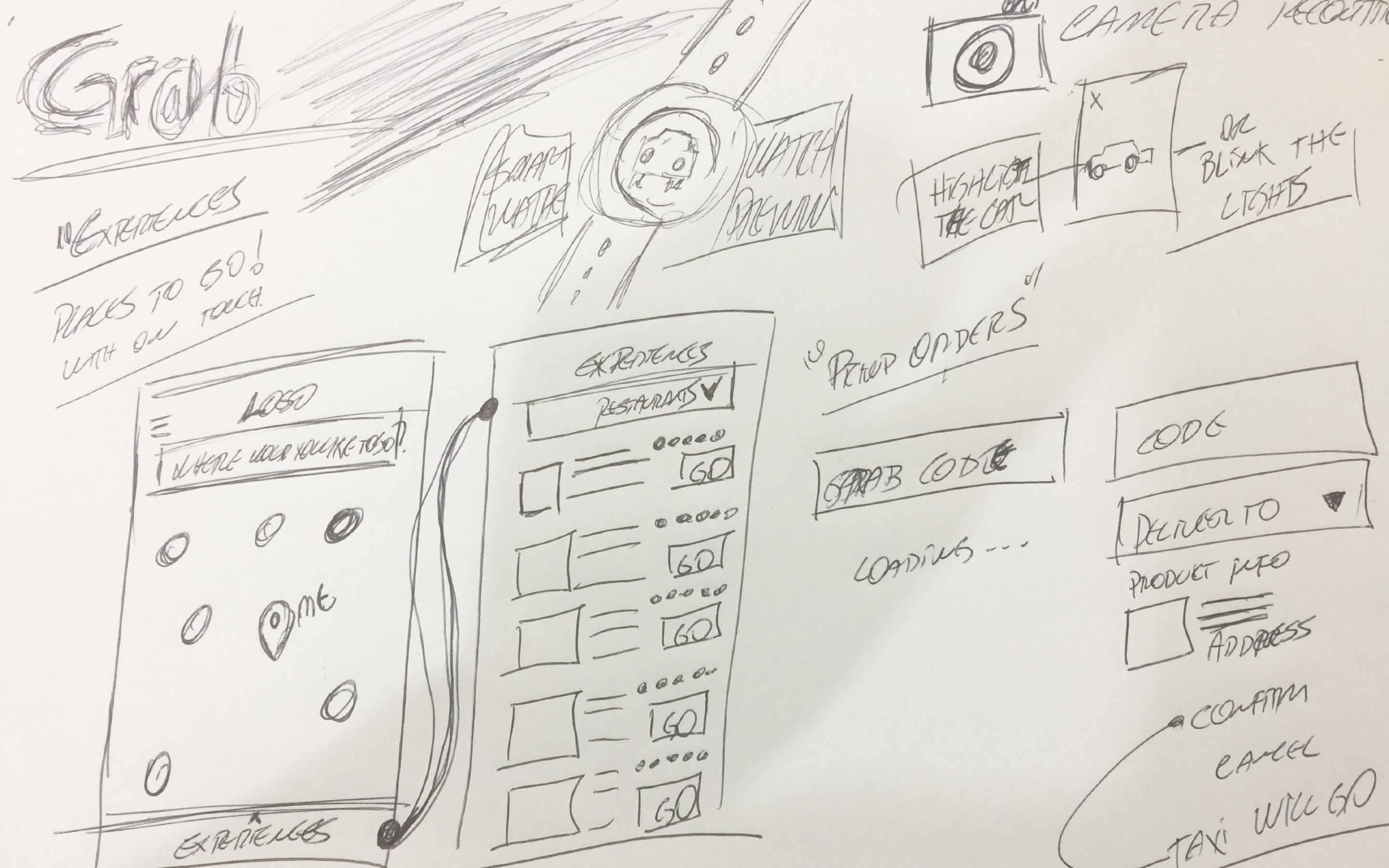
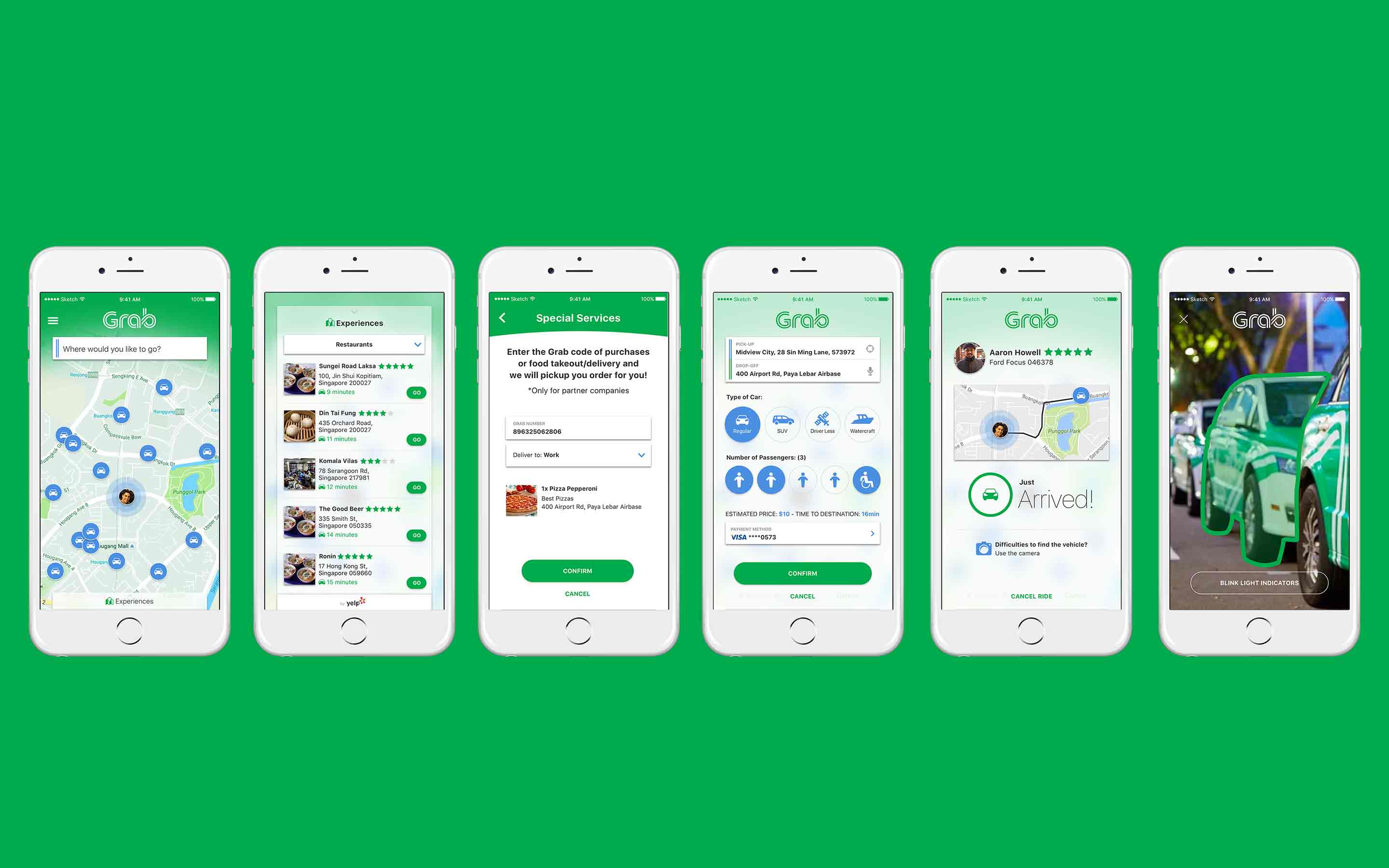
In dense urban environments, another critical challenge emerges: identifying and differentiating identical vehicles on the street, reducing friction and uncertainty during pickup while maintaining speed and trust. At the same time, users expect mobility services to extend beyond transportation and act as a gateway to everything that surrounds their journey.
The market opportunity is vast and cannot be restricted to point-to-point rides. Travelers want integrated experiences connected to hotels, airlines, short-term stays, restaurants, attractions, and local discovery. This creates a clear need for Grab to evolve its co-branding and ecosystem strategy toward delivering end-to-end travel and lifestyle solutions, not just mobility.
Advances in Artificial Intelligence and Machine Learning are fundamentally changing how products are designed and experienced. These technologies enable a new design paradigm, where complexity disappears and value emerges naturally within the user flow. This vision, referred to as Invisible Design, leverages AI to anticipate needs, surface contextual experiences, and integrate external data sources seamlessly into the journey.
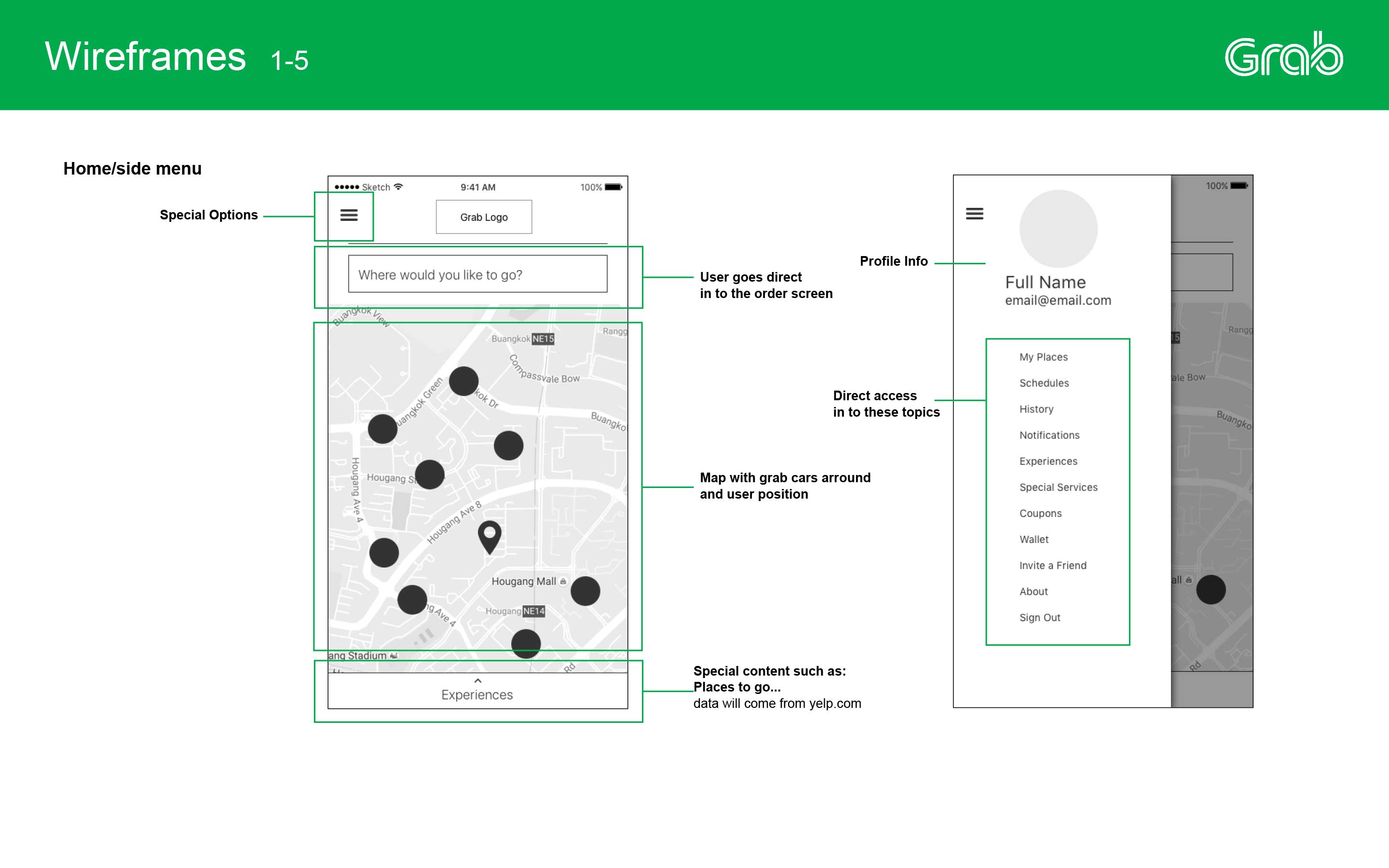
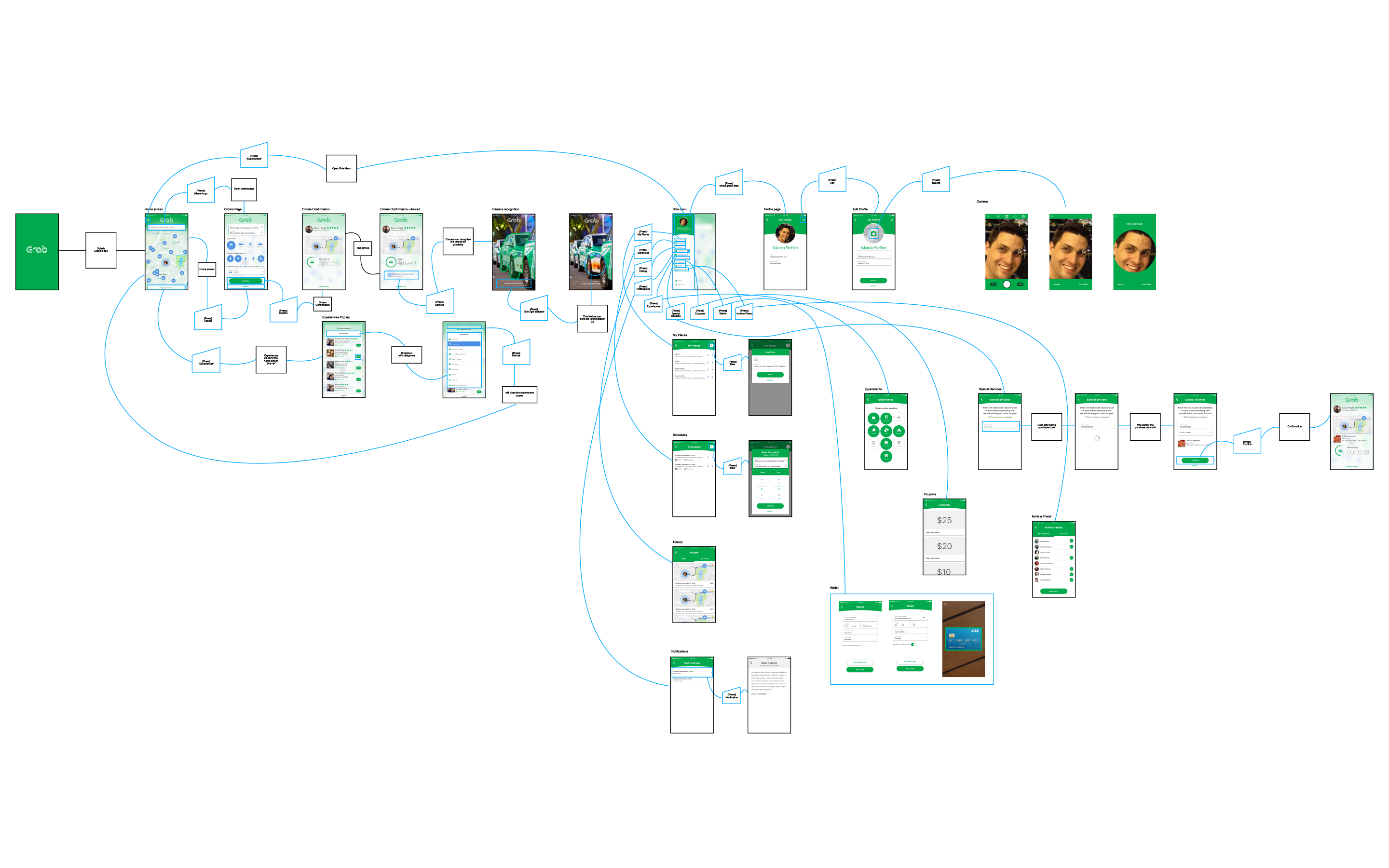
There is a strong need for a visual, intuitive interface that allows users to discover travel-related experiences, access curated recommendations from online services, and move between destinations with a single touch using Grab services. Additionally, time-constrained users require smart delivery and takeout capabilities, enabling purchases without physical pickup through intelligent data handoff and simplified identification.
Ultimately, the need is to simplify urban and travel life, transforming Grab into a contextual, AI-powered companion that connects mobility, discovery, delivery, and experiences into one effortless journey.